Published Jun 24, 2026
Soil Health
Ruminant Health Begins in the Soil
Regenerative Agriculture
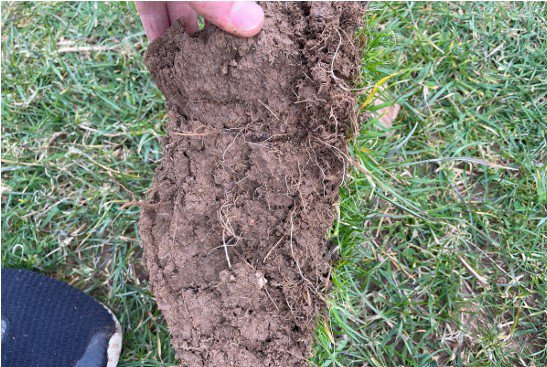
When we talk about regenerative agriculture, the focus often falls on climate, soils, and biodiversity, but its impact on ruminant animal health is just as critical. Cattle, sheep, and other classes of livestock are living indicators of ecological health, and their wellbeing hinges fundamentally on the resilience of the ecosystems they live within. Healthy soils rich in organic matter, microbial life, and properly structured support diverse and nutrient-dense forage, delivering essential nutrients not only in energy and protein but also in minerals, phytonutrients, and secondary compounds. This directly influences ruminant nutrition and immunity.
Nutrition Beyond Calories
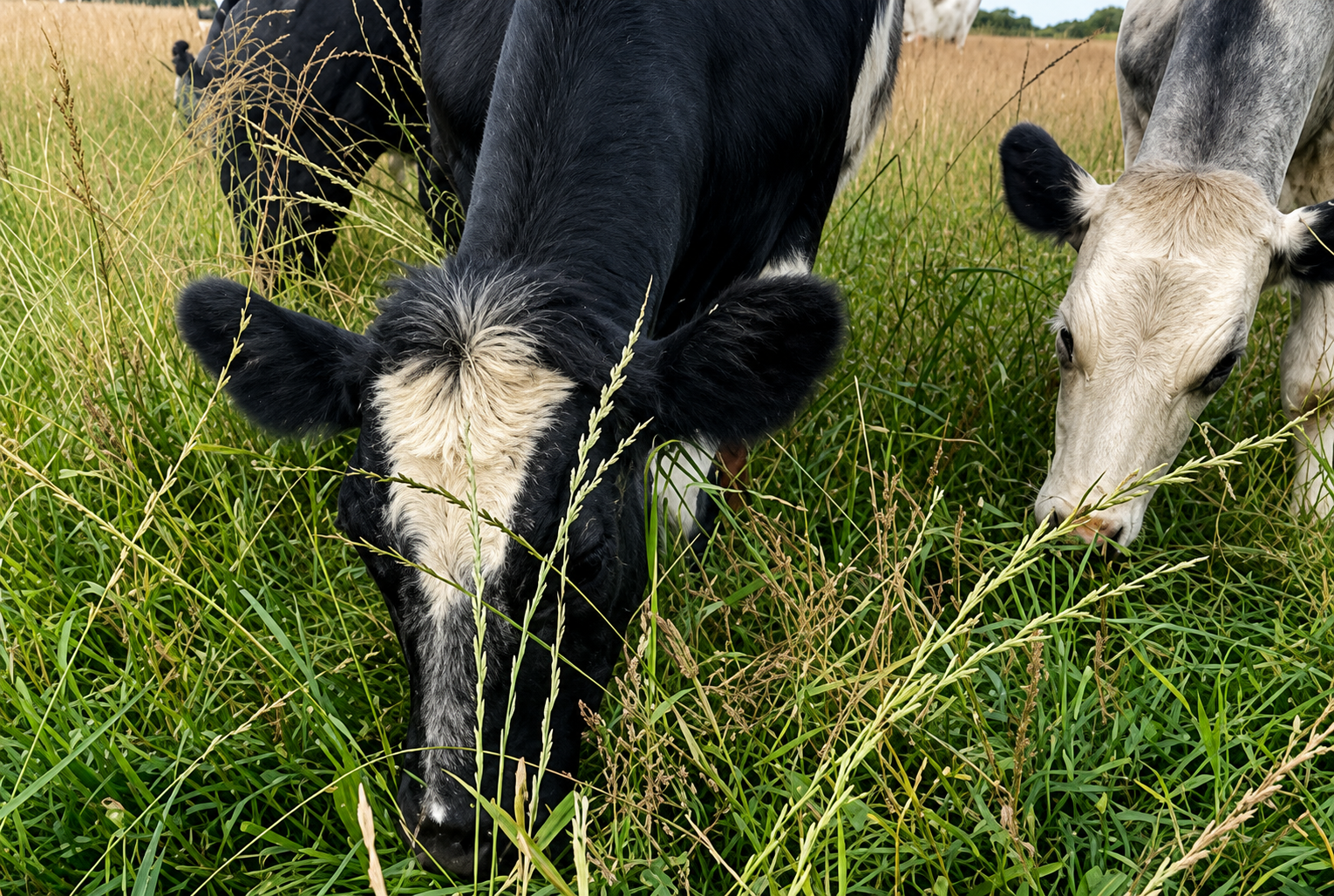
Ruminants fed on pastures with one or two plant species often suffer from nutritional gaps. Regenerative systems prioritise pasture with a multitude of plant families to naturally improve soil health and provide animals with as many beneficial compounds as possible. Just like doctors tell people to eat their 5-a-day or to eat the rainbow, animal health and wellbeing improves as the number of plant species in their diet increases. Plants accumulate minerals and produce healthy compounds at different rates depending on family and species. In fact, one study found that biodiverse pastures improve nitrogen retention and digestibility of forage, reducing stress from monotonous diets. Not only that, plants growing from rich and abundant soil ecosystems will have more health-imbuing compounds in their cells compared to the same species grown in biologically inactive soil.
Ecosystem Management and Livestock Health
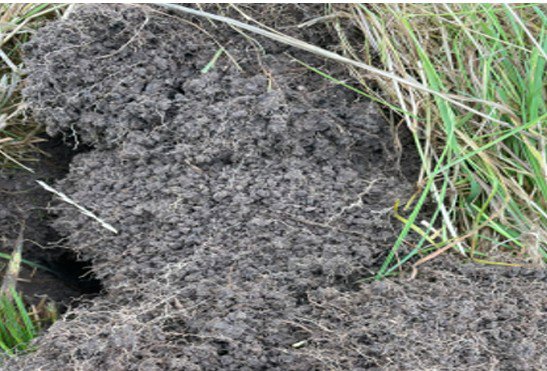
And how exactly can rich and abundant soil ecosystems get built? In essence, it’s all about photosynthesis. Diverse families of plants that are not consistently cut or grazed will pump more energy into the soil than is taken out. This energy is used by living organisms to build soil structure and increase organic matter levels, which increases the ability for water to infiltrate and be held, for nitrogen-rich air to infiltrate and for CO2 to be exhaled and absorbed again by plants as food, completing the loop. This is why rotational, or adaptive, multi-paddock (AMP) grazing are crucial to soil health and livestock health. Allowing plants the time to properly recover and rest will inevitably pump more energy into the soil at deeper depths in the soil profile. Longer rotations break pest and parasite cycles. It also reduces diseases and foot ailments in livestock by giving them access to fresh forage and healthier environments. Moreover, livestock themselves play significant roles in stimulating plant growth and returning nutrients to the soil.
The Time For Change is Now
Author Wendell Berry wrote many years ago that, "Agricultural choices must be made by these inescapable standards: the ecological health of the farm and the economic health of the farmer." Now more than ever, we know that economic health of the farmer is not just linked to the ecological health of the farm, but that business longevity is dependent upon it. There is an undeniable link between soil, plant, animal, and human health and whatever you call it (regenerative, agroecological, holistic management, etc.), practices can be put in place to improve both the ecology and economics of a grazing operation. By regenerating soil and landscape, we’re also regenerating the foundation of ruminant animal health and ensuring a more sustainable, resilient future for ecosystems, livestock, and the communities they support.
Case Studies
- Case Study - Andrew Rees Farmers should not be afraid to try new things but do so in a controlled manner. This includes using safe to fail studies on small areas when first implementing new practises...
- Case Study - Stuart Johnson Soil health was something that Stuart Johnson never used to think about. However, just over 10 years ago he and his family began using strip-tillage in a drive to save money
References
1. Mottet, A. et al. (2020). Livestock, biodiversity and sustainable food systems. Frontiers in Sustainable Food Systems. Available at: https://www.frontiersin.org/articles/10.3389/fsufs.2020.596869/full 2. Noble Research Institute (2024). Top 3 benefits of plant diversity on your ranch. Available at: https://www.noble.org/regenerative-agriculture/pasture-and-range/top-3-benefits-of-plant-diversity-on-your-ranch 3. Pereira, P.M. et al. (2024). Regenerative agriculture and livestock welfare: a One Welfare perspective. Frontiers in Veterinary Science. Available at: https://pmc.ncbi.nlm.nih.gov/articles/PMC10936273/
In partnership with