Ringworm
chevron_right Editorial information

Ringworm is a common skin condition of youngstock. Fungal infection causes characteristic patches of hair loss and white flaky skin.
Ringworm is a common fungal skin infection in young cattle and is a potential zoonosis.
Most outbreaks are caused by Trichophyton verrucosum with Trichophyton mentagrophytes less common. Dermatophytes will survive for months in buildings and housed cattle often become infected after physical contact with contaminated feed barriers, walls etc. Poorly nourished calves and immune suppressed individuals (e.g. persistent BVD infection) will be more susceptible to infection.
The greyish lesions are slightly-raised, well-circumscribed, extending up to 10 cm diameter and may become confluent, and are more common on the head and neck but may extend over much of the body.
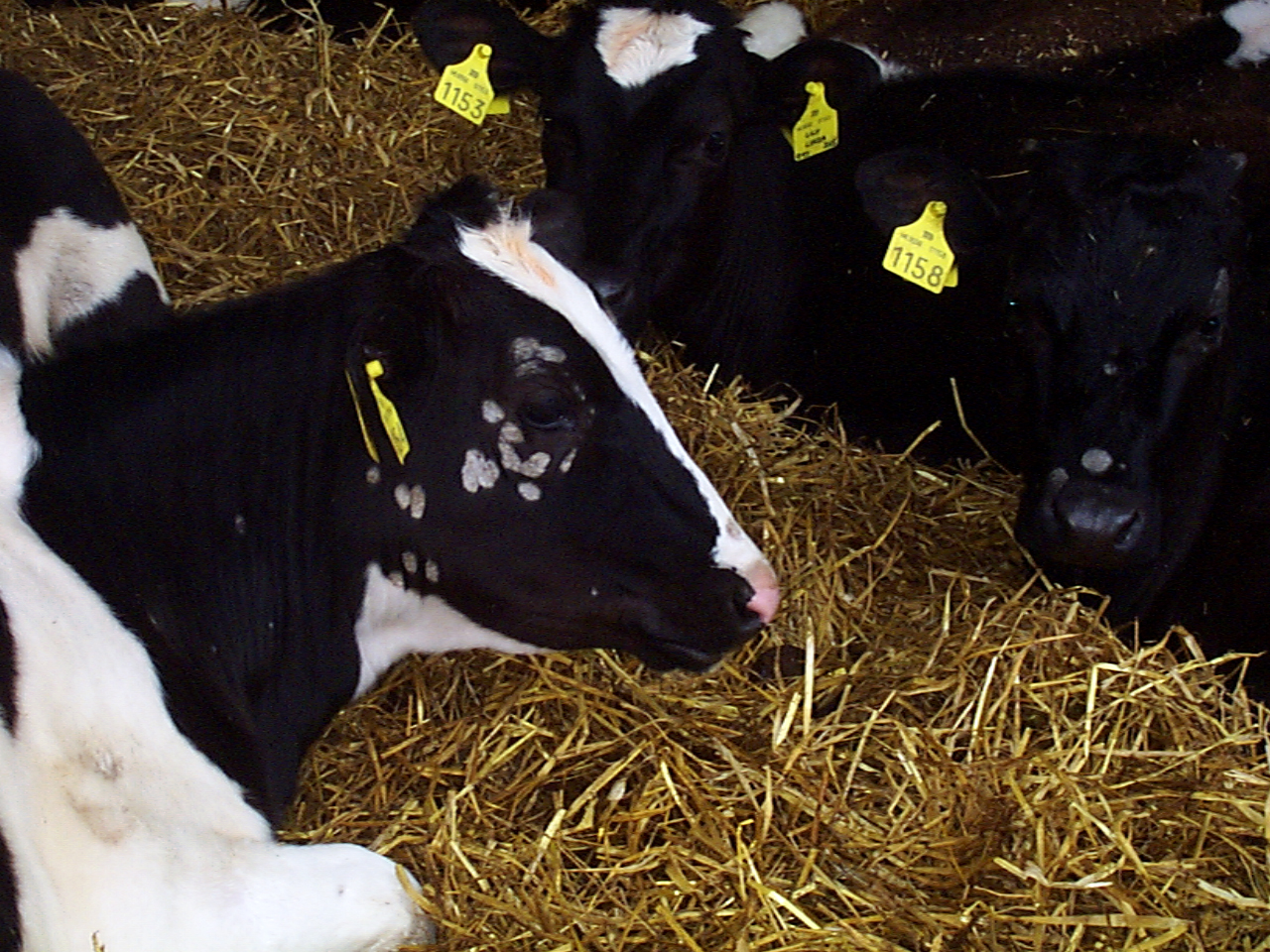
Ringworm lesions are more common on the head and neck but may extend over much of the body
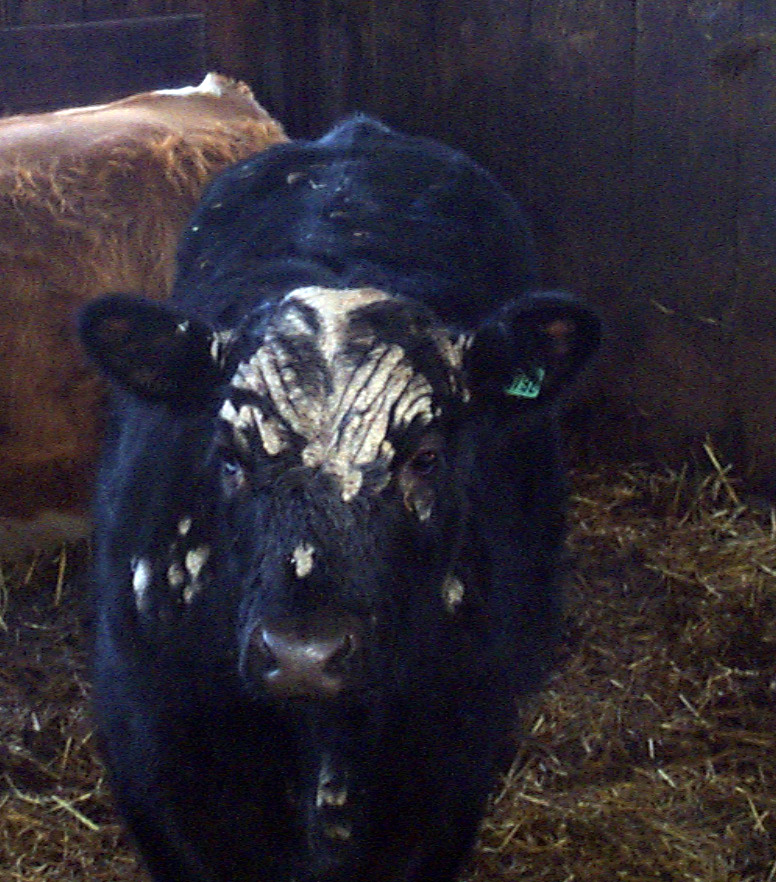
Ringworm lesions are greyish and slightly-raised, well-circumscribed, and extending up to 10 cm diameter but may become confluent as in this case.
Diagnosis is based upon demonstration of ectothrix spores on microscopic examination of plucks of hair surroundings the lesions. Culture of T. verrucosum requires selective media.
While the disease is often described as self-limiting, resolution may take four to nine months during which time other in contact animals become infected with contamination of the animals' environment and infection of subsequent groups. Topical enilconazole is used but may not be effective in all outbreaks and repeat applications are necessary.
The vaccine can be used both for active immunisation to reduce clinical signs of ringworm caused by Trichophyton verrucosum (prophylactic dose) and to shorten the recovery time of infected cattle showing clinical signs of ringworm (therapeutic dose).
Onset of immunity has been demonstrated at 3 weeks after vaccination. The duration of protection has not been determined but field reports suggest that after the recommended course has been completed cattle continue to be protected without re-vaccination.
Initially the whole herd should be vaccinated with a course of two vaccinations, 10-14 days apart. Subsequently, for closed herds only young calves require revaccination at around 2 weeks of age, followed by a second injection 10-14 days later. New animals introduced into the herd should receive a full vaccination course at the appropriate dosage. No subsequent doses are required. Vaccination can be used during pregnancy.